
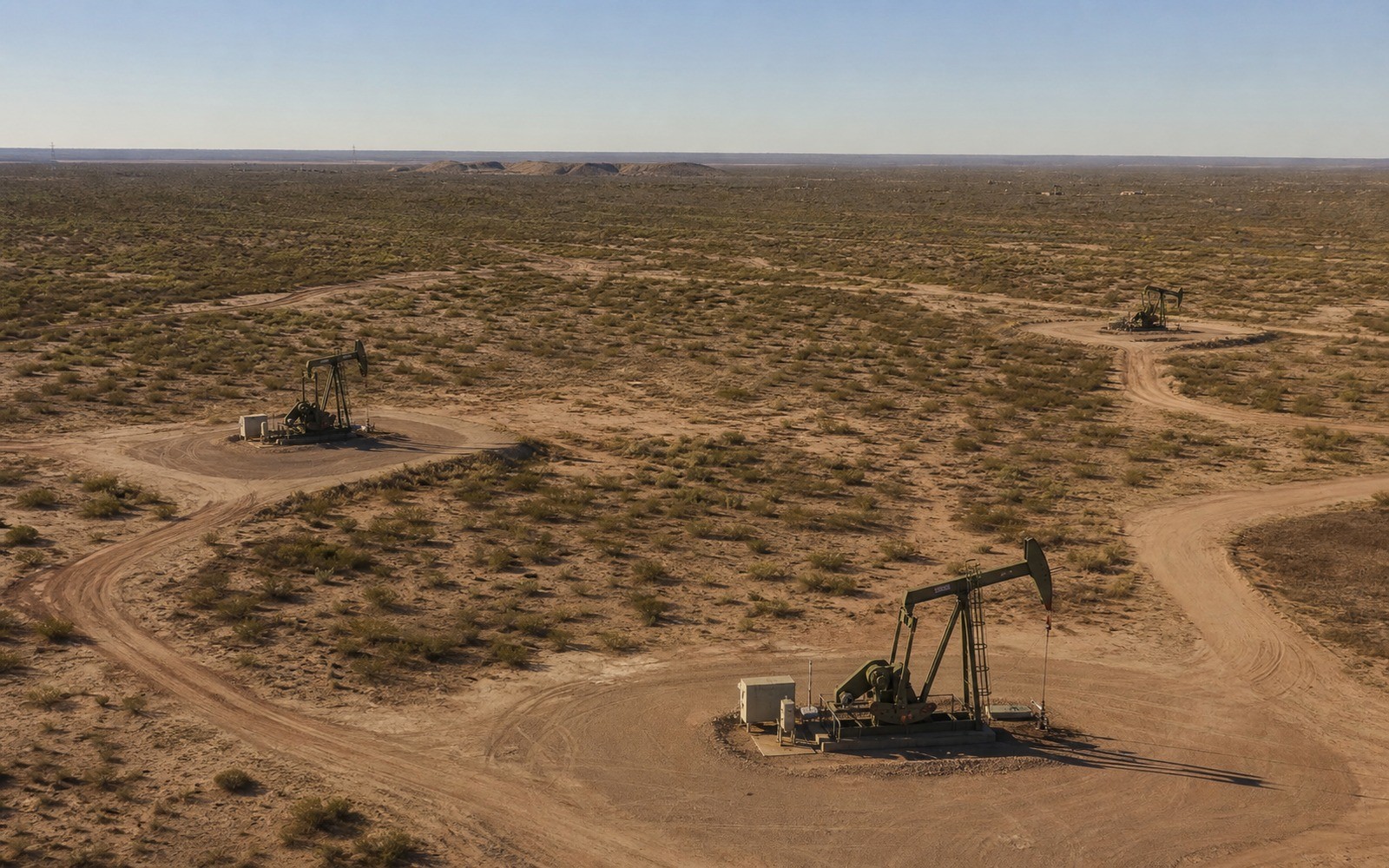
Sell Mineral Rights in Oakman, AL
Oakman straddles the Walker and Jefferson county line, sitting squarely inside the coalbed methane fairway that developed across the Black Warrior Basin's core coal seams in the 1980s and 1990s.
By the time large-scale CBM development came through Oakman and the surrounding area, most of the underground coal mining that built this part of Walker County had already wound down, but the same coal seams that had been mined for decades turned out to hold enough methane to support a new round of drilling. That means a lot of families here own a mineral interest that has genuinely been active and paying royalties for twenty, thirty, or more years — which makes the underwriting more straightforward than in areas with no production history at all.
A Real Production History to Work From
If your family has been receiving royalty statements from an Oakman-area CBM unit, that history is the most useful thing you can hand us. We look at how the well or unit has actually performed over time — whether production has been flat, declining, or picked back up with re-completions — rather than guessing based on the county's reputation.
Straddling Two Counties Complicates the Paper Trail
Because Oakman sits near the Walker-Jefferson line, some family holdings here were recorded in one county's courthouse while the mineral interest itself sits partly or entirely in the other. We check both when a tract's exact boundary isn't obvious from the deed, so the offer reflects what's actually owned rather than what a single county's index happens to show.
Anchor the Tract to the Alabama County Record
A location guide should lead back to a real tract record. The working file identifies the county, legal description, acreage, mineral reservation, estate type, formation and depth limits, owner fraction, and the deed, probate order, trust instrument, or corrective document supporting the ownership claim.
Connect Local Activity to the Actual Interest
Alabama activity varies by county, field, formation, tract, unit, operator, product, and project stage. Public wells and permits add context, while the private deed, lease, unit record, paid decimal, statement history, and title chain define the interest under review.
Keep the County Review in Writing
The owner copy should retain the source deed, lease, unit record, division order, statement evidence, title questions, written offer assumptions, retained-rights language, settlement record, funding confirmation, and county recording reference.