
Surface vs. Mineral Estate
Owning land in Alabama and owning what is beneath it are not automatically the same thing, and untangling which one you actually hold is often the first real question in any conversation about selling.
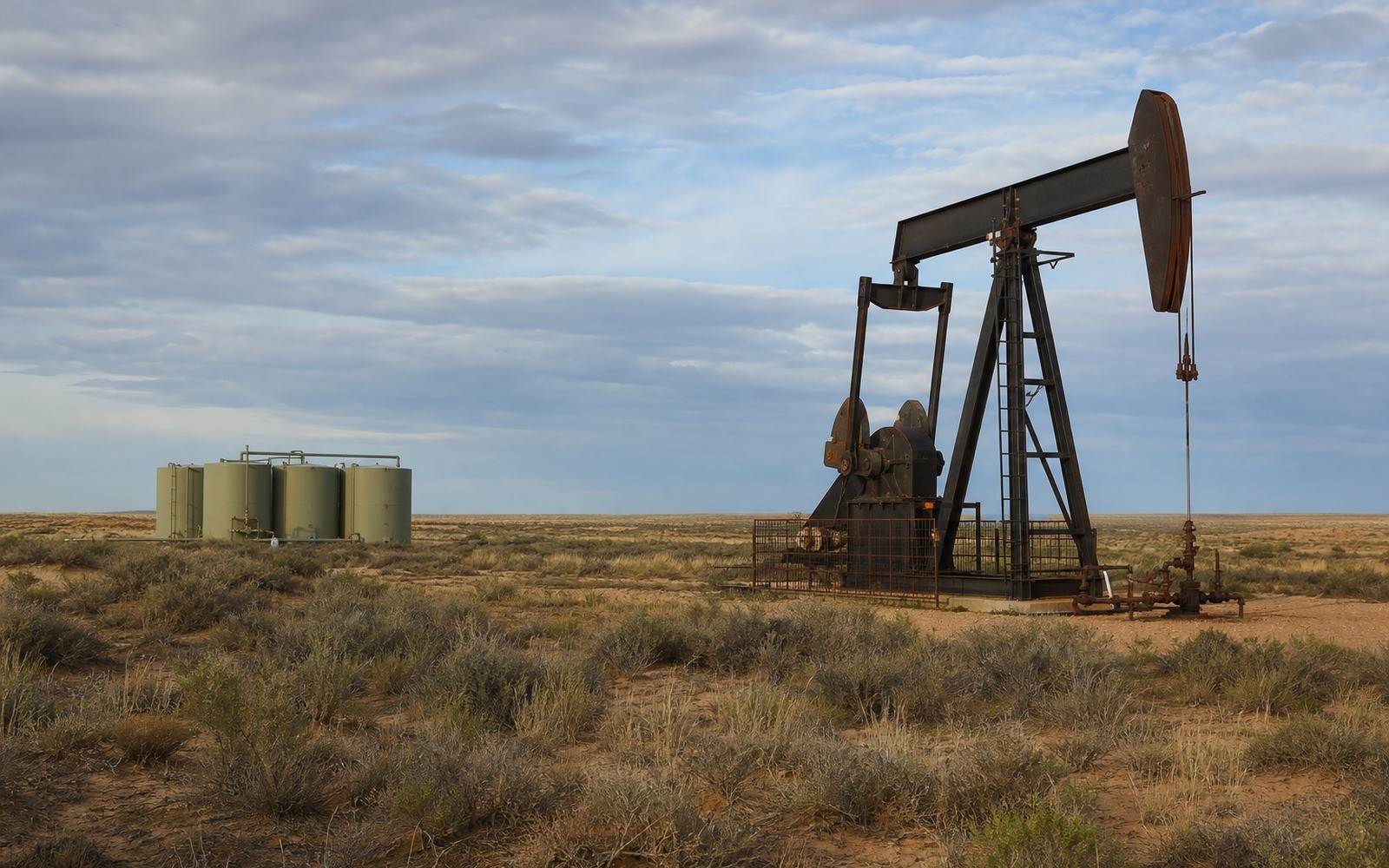
Alabama recognizes what is called a severed estate, meaning the surface of a property and the minerals beneath it can be owned by entirely different people, sometimes for generations, without either party's ownership affecting the other. A family can own the surface, farm it, build on it, and pay property taxes on it, while a separate family or entity owns the mineral rights underneath, collecting royalties on any oil, gas, or coalbed methane produced with no connection to what happens above ground.
This split happened routinely across Alabama, often when a prior owner sold land but reserved the minerals, or sold the minerals separately while keeping the surface. Figuring out which side of that split you are on, and what you actually own, is the necessary first step before anyone can talk seriously about value.
How to Tell Which Estate You Actually Own
Your deed is the definitive source. If it conveys the land with no mention of minerals, and no prior deed in the chain of title reserved them, you likely own both estates together, which is called an unsevered or fee simple mineral interest. If your deed specifically reserves or excepts the mineral rights, or if you received the property through inheritance and were told the minerals were separately deeded off at some point, you own the surface only, and someone else entirely holds the minerals.
We help owners who are genuinely unsure sort this out by pulling the recorded chain of title at the county courthouse, since Alabama deed language on this point is not always as clear as it should be, especially in older instruments.
What the Mineral Owner Can Do on Your Surface
If you own the surface but not the minerals, Alabama law generally gives the mineral estate the dominant right to reasonable use of the surface as necessary to develop the minerals, which can include well pads, access roads, and pipeline easements, subject to reasonable accommodation of existing surface use. This surprises a lot of surface owners who assumed their deed protected them fully from any oil and gas activity on their land.
Conversely, if you own minerals but not the surface, you generally retain the right to access the surface for reasonable development purposes even though you do not own the land itself, which is part of what gives an unleased mineral interest real value even without any surface ownership attached to it.
Selling Minerals Without Touching Surface Ownership
If you hold both estates and want to sell only the minerals, that is entirely possible and does not require selling or affecting your surface ownership in any way. We buy mineral interests independent of surface all the time, and the closing documents are specific to the mineral estate, leaving your land, home, or farm completely untouched.
Why This Distinction Matters More in Older Alabama Deeds
Severance happened for a variety of reasons across Alabama's history, from timber and coal companies buying mineral rights ahead of surface development in the early 1900s, to farm families reserving minerals when selling land during the mid-century, to more recent estate planning where minerals and surface were split between different heirs deliberately. The reason behind the original severance does not change your rights today, but it often explains why the deed language reads the way it does, and why some instruments are far clearer than others.
Because so much of this severance activity happened decades ago, current owners sometimes learn about a split estate only when a lease offer or drilling notice arrives referencing a mineral owner they have never heard of, or when they themselves receive an offer for minerals they did not realize they still held after selling land years earlier.